7 signs of a slab leak (and what to do next)
Most homes in Coral Gables sit on concrete slabs. Here’s how to tell if a pipe under yours is leaking.
Read articleLeak detection
A plain-English look at the tools specialists use to find a leak behind walls, under slabs and underground.
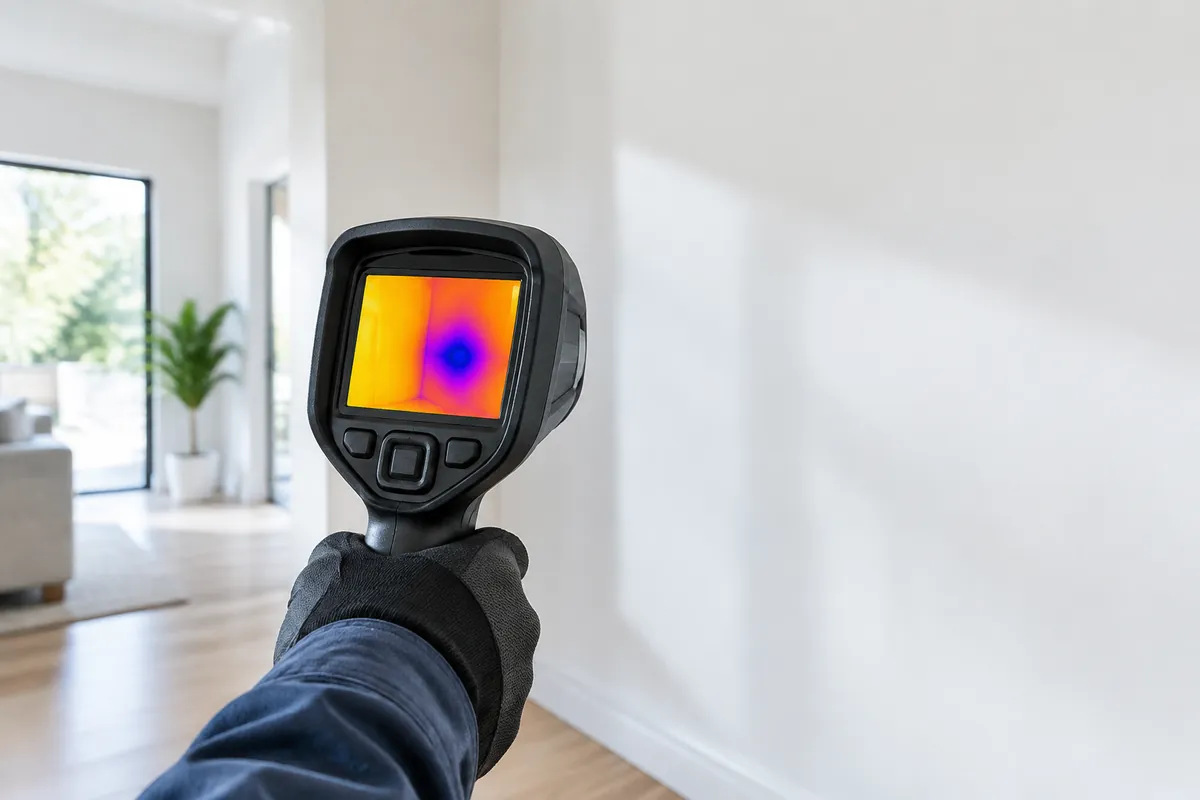
Leak detection is the process of finding the exact spot where water escapes a pipe, without opening walls or floors to look. The goal is simple: one small, targeted repair instead of several exploratory holes.
Specialists usually start at the water meter. With every fixture off, a moving leak indicator confirms water is being lost. Then they shut off sections of the plumbing to see which part of the system is leaking.
Each line is isolated and pressurized. If it can’t hold pressure, that line has the leak.
Infrared cameras show temperature differences. Hot-water leaks and wet areas appear as warm or cool patches.
Meters measure moisture in drywall, wood and flooring to trace water back toward its source.
Electronic locators trace where buried pipes actually run, so the search follows the real route.
Ground microphones and listening devices pick up the sound of water escaping a pressurized pipe, even through concrete or soil.
A safe gas mixture is pushed into an emptied line. A detector finds where it escapes. Useful for very small or deep leaks.
In pools, colored dye released near fittings and cracks is pulled toward the leak, showing where water exits.
For drain and sewer lines, a small camera shows cracks, roots and breaks inside the pipe.
A good result is a marked location on the floor, wall or ground, plus an explanation of what was found. That lets the repair be planned precisely, whether it’s a spot repair or rerouting a line.
Opening a wall or floor in the wrong place costs time and money. Finding the leak first keeps the repair small. See our leak detection services or 24/7 emergency help.
Combining methods like pressure testing, acoustic listening and thermal imaging usually narrows a leak down to a small area.
No. The detection itself is non-invasive. Opening is only needed for the repair, at the confirmed spot.
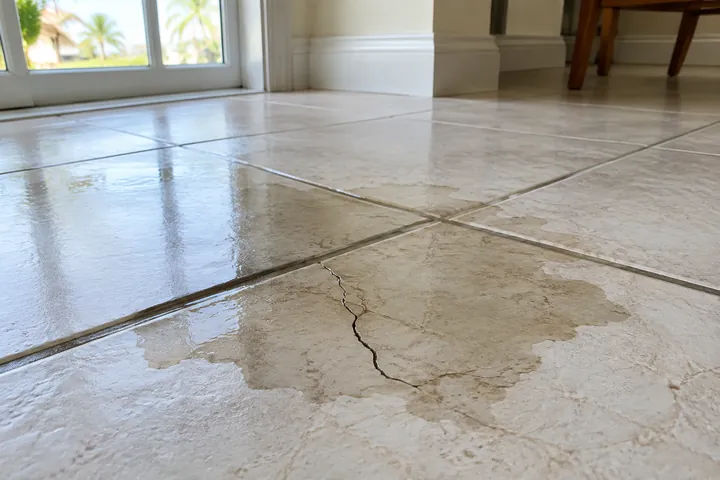
Most homes in Coral Gables sit on concrete slabs. Here’s how to tell if a pipe under yours is leaking.
Read article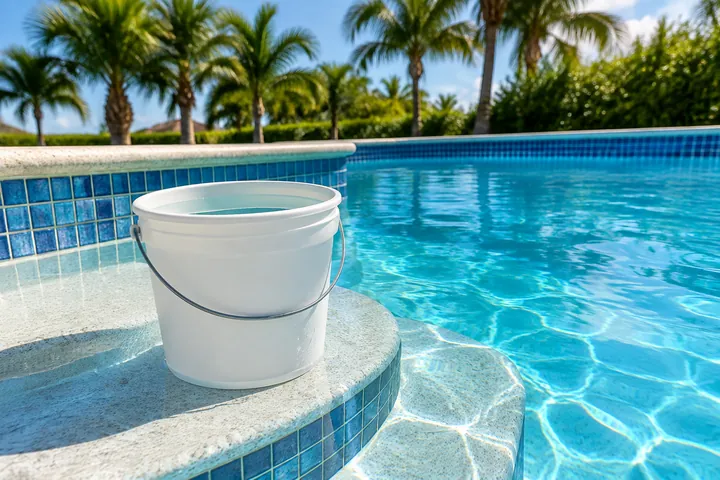
South Florida pools lose water to the sun every day. Here’s how to tell normal evaporation from a real leak.
Read article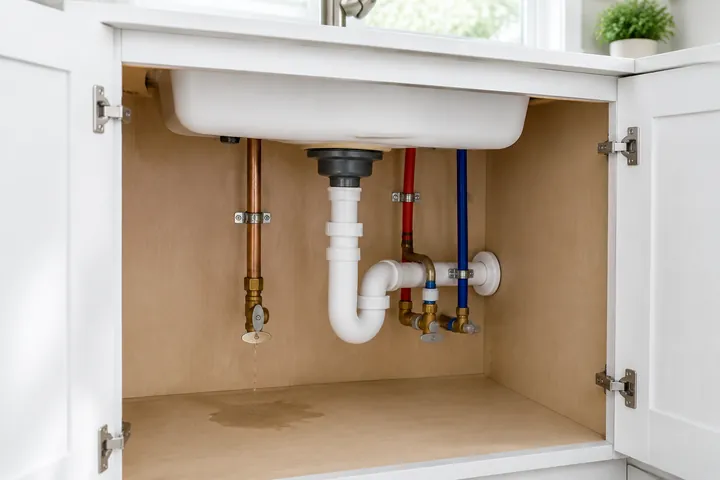
If you can see the leak, call a plumber. If you only see the signs, start with leak detection. Here’s why.
Read articleThe sooner it’s found, the smaller the repair. Calls are answered 24/7.