Is your pool leaking or just evaporating?
South Florida pools lose water to the sun every day. Here’s how to tell normal evaporation from a real leak.
Read articleSlab leaks
Most homes in Coral Gables sit on concrete slabs. Here’s how to tell if a pipe under yours is leaking.
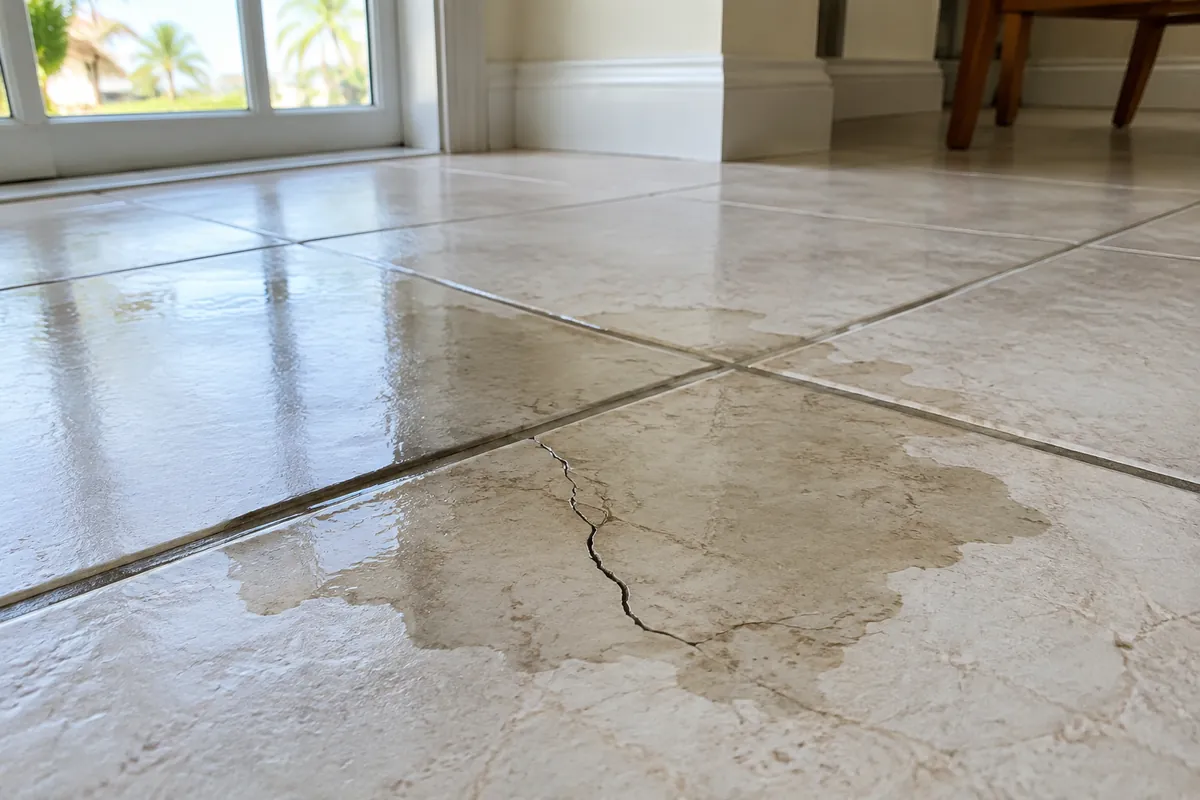
A slab leak is a leak in a water line that runs under or through your home’s concrete foundation. Because the pipe is buried, water can escape for weeks before anything shows on the surface. In South Florida, where most houses are built slab-on-grade, it’s one of the most common hidden leaks.
These are the signs to watch for, roughly in the order people notice them.
A leak under the slab runs 24 hours a day. Even a small one can add a noticeable amount to your bill. If your usage hasn’t changed, treat a jump as a warning. Our high water bill guide walks through the meter test.
If a hot-water line is leaking, the water heats the concrete above it. You may feel a warm patch on tile, especially barefoot, or notice a pet always lying in the same spot.
With every faucet and appliance off, listen near the floor at night. A hiss or trickle you can’t trace is a common clue.
Water pushes up through the slab and soaks flooring from below. Wood floors may cup or swell, and tile can crack or sound hollow when tapped.
This is the most reliable at-home test. Turn off all water, then watch the leak indicator on your meter for two minutes. If it moves, water is going somewhere.
A leaking hot-water line means the heater keeps refilling and reheating. You might hear it cycle more often or see higher energy costs.
Constant moisture under flooring encourages mold, especially in Florida humidity. A new musty smell near baseboards is worth checking.
Confirm water is being lost before anything else.
Where is the floor warm or wet? Is it hot water or cold? When did you first notice?
If you suspect a hot-water leak, closing the cold supply valve on top of the water heater stops more hot water from flowing to the leak.
A specialist can pinpoint the leak with pressure tests, acoustic equipment and thermal imaging, so only a small section of floor is opened.
Guessing where the leak is can mean several holes instead of one. Pinpointing it first keeps the repair smaller. See slab leak detection in Coral Gables.
No. Pressurized water lines keep leaking, and the damage usually grows over time.
A large or hot-water slab leak should be handled quickly. Even a small one is worth locating soon, before it damages flooring or causes mold.
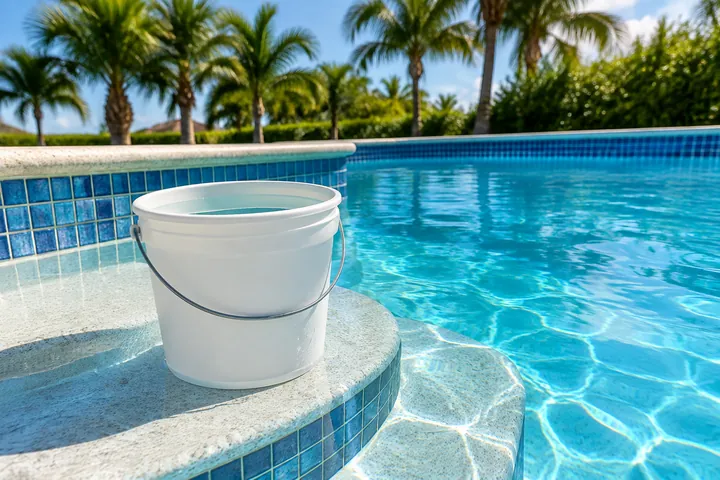
South Florida pools lose water to the sun every day. Here’s how to tell normal evaporation from a real leak.
Read article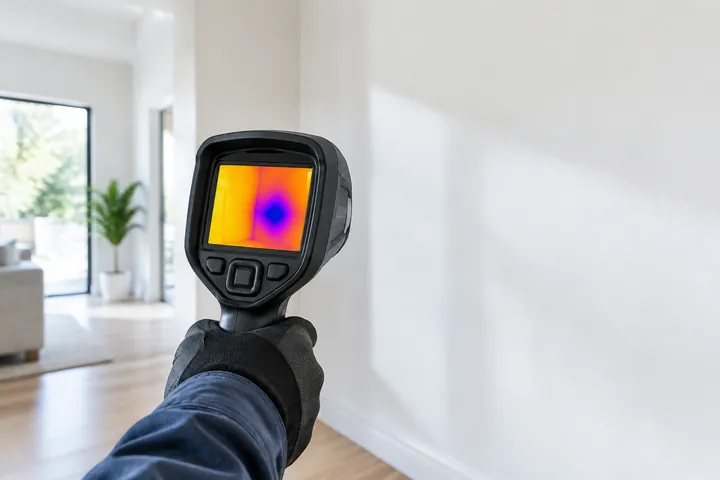
A plain-English look at the tools specialists use to find a leak behind walls, under slabs and underground.
Read article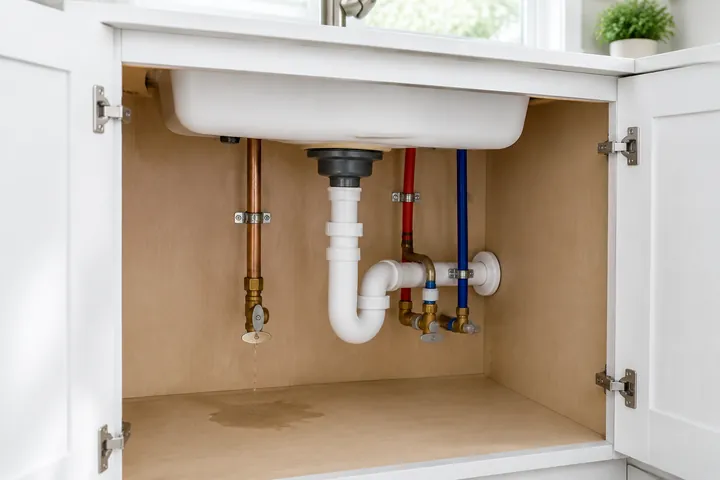
If you can see the leak, call a plumber. If you only see the signs, start with leak detection. Here’s why.
Read articleThe sooner it’s found, the smaller the repair. Calls are answered 24/7.